
The Bach flower for jealousy most often cited is Holly, an essence traditionally associated with the emotions of anger, suspicion and envy towards others. Developed in the 1930s by Dr Edward Bach, this approach offers gentle support for passing emotional states, without therapeutic claims. This guide covers the origin of this association, the emotions it traditionally represents, the everyday situations where it is most often mentioned, its common use, and the precautions to know before looking into it.
What is the Bach flower Holly, linked to jealousy
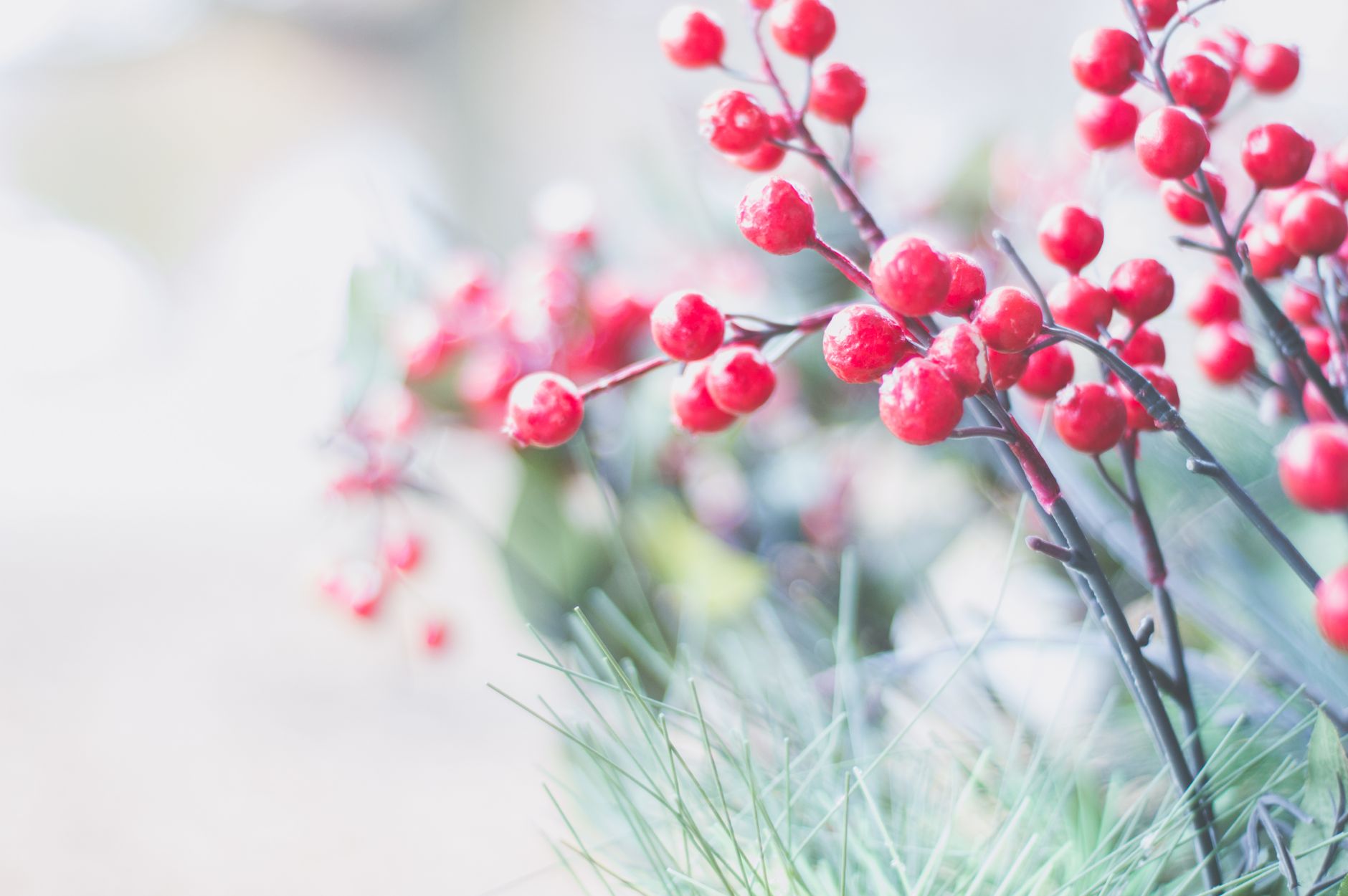
Holly is one of the 38 flower essences identified by Dr Bach, each linked to a specific emotional state within his method. Holly, the evergreen shrub with red berries, was chosen to represent the most closed emotions, those that prevent openness towards others: anger, resentment, suspicion and jealousy.
Dr Edward Bach, a British physician and homeopath, devoted the last years of his life to observing plants and their supposed effects on states of mind. His approach rests on the idea that emotional distress is fertile ground for a broader imbalance, and that each flower essence supports a specific emotion rather than a physical symptom. This view, formulated in the 1930s, remains today a widely spread wellbeing tradition, without recognition from conventional medicine.
As with the other essences in the Bach system, Holly is obtained by macerating flowers in spring water, then preserved in a small amount of alcohol. It most often comes as drops to dilute, but also as a spray or as pastilles to suck. This preparation belongs to an emotional wellbeing tradition nearly a century old, distinct from a medical approach.
In the classification developed by Dr Bach, the 38 essences are grouped into seven broad families of emotions. Holly traditionally belongs to the group described as over-care or over-concern for the welfare of others, alongside essences such as Chicory or Vervain. This family brings together states in which the relationship to others becomes a source of tension, whether through excessive attachment, excessive control, or, in Holly’s case, an emotional closing-off tinged with suspicion.
Understanding jealousy through the Bach flower approach
In Dr Bach’s traditional reading, every difficult emotion is seen as a sign of an inner imbalance rather than a character flaw. Jealousy is described there as an emotion closed in on itself, one that prevents sincere joy for others and keeps a sense of lack alive.
This approach invites looking at what lies behind jealousy rather than fighting it directly: a need for recognition, a fear of losing something important, or an old emotional insecurity. Holly is presented in this tradition as a support for reconnecting with more open emotions such as trust, generosity and kindness towards oneself and others.
Jealousy shows up in very different situations: within a couple, between siblings, in a professional context when a colleague succeeds, or towards a circle of friends that seems to move on without oneself. In each of these situations, Dr Bach’s approach invites welcoming the emotion without judgment, rather than suppressing or denying it, in order to understand its origin more calmly.
Emotions close to jealousy in the Bach method
Jealousy often comes with neighbouring emotions that Dr Bach’s method links to other flower essences. Recognising these nuances helps to better identify the emotional state felt at a given moment rather than relying on a single label.
| Emotion felt | Traditionally associated essence |
|---|---|
| Jealousy, resentment, suspicion | Holly |
| Anger, irritability | Holly, Impatiens |
| Lack of self-confidence | Larch |
| Fear of abandonment or loss | Red Chestnut |
| Excessive need for approval | Centaury |
A lack of self-confidence often comes up as fertile ground for jealousy, a topic already covered in detail in our article on teenage self-confidence, a period when these emotions are particularly intense. Similarly, the underlying anxiety that sometimes fuels jealousy connects with the mechanisms described in our article on teenage anxiety.
How to use Holly day to day
The traditional use of Holly follows the same principles as the other flower essences in the Bach method: a few drops taken directly under the tongue or diluted in a little water, repeated throughout the day according to the manufacturer’s instructions. The essence is generally chosen based on the emotion felt in the moment rather than on a diagnosis.
Some users prepare a small dilution bottle, adding a few drops from the stock bottle to water, for use spread across the day. Others prefer a one-off dose taken right when the emotion arises, for example before a situation identified as a trigger. Neither practice is presented as superior to the other in the flower tradition, the choice being a matter of personal habit.
The exact dosage and frequency instructions vary from one manufacturer to another and always appear on the product packaging, which makes reading them before any use essential. As with Bach flower essences during breastfeeding, alcohol-free versions exist for those who wish to avoid this excipient.
Combining Holly with other Bach flowers: blends and mixes
In this tradition, it is common to combine several flower essences depending on the emotions felt at the same time. Holly is frequently combined with Impatiens for episodes of irritability, or with Larch when jealousy seems linked to a lack of self-confidence. Manufacturers generally recommend limiting the number of essences combined at once, to keep a preparation clear and focused on the needs of the moment.
The complex known as Rescue Remedy, which combines five different essences for moments of occasional tension, can also support intense emotional peaks, even though it does not specifically target jealousy. The exact composition of a personalised blend remains a matter for each person to adjust according to the emotions felt.
To refine a blend, some users keep a notebook recording the situations that triggered a given emotion and the essence chosen in response. This practice, inherited from Dr Bach’s own recommendations, allows combinations of essences to be adjusted gradually to each person’s reality rather than following a fixed list. It remains a personal observation exercise, with no diagnostic value.
Precautions to know before using Bach flower essences
Bach flower essences belong to a tradition of emotional wellbeing and not to a recognised medical approach: no clinical study allows a precise therapeutic effect on jealousy, or on any other emotion, to be claimed. Their use rests above all on a long-standing empirical practice, and they do not replace psychological support or a prescribed treatment under any circumstances.
When jealousy becomes overwhelming, repeats frequently, or weakens important relationships, consulting a professional remains the most suitable approach. A pharmacist also remains the most accessible contact for any question about a product’s composition or a possible interaction, particularly during pregnancy, breastfeeding, or ongoing treatment.
It is also worth noting that Bach flower essences contain no active ingredient in the pharmacological sense, which sets them apart from plants used in herbal medicine. This specificity explains why they are often presented as compatible with many situations, without this removing the need for professional advice when in doubt. Keeping a measured view of what this tradition can offer, without excessive expectations, remains the best way to approach it calmly.