

It is hard to avoid: UV rays, pollution, tobacco or simple accumulated fatigue constantly expose the body to unstable molecules called free radicals. Faced with this oxidative stress, the question of the best natural antioxidant comes up regularly, often carried by the idea that a single food or plant would be enough to protect cells. The reality is more nuanced: it is mostly the diversity of sources and how regularly they are consumed that make the difference, far more than any single miracle product.
What is an antioxidant, and why does it matter day to day?
An antioxidant is a molecule capable of neutralising free radicals, unstable compounds naturally produced by the body during cellular respiration, but also generated in excess by certain external factors. Tobacco, air pollution, prolonged sun exposure or an unbalanced diet all increase the production of these free radicals, giving rise to what is known as oxidative stress.
This imbalance between free radicals and antioxidant defences is associated, in the scientific literature, with cellular ageing and the gradual wear of certain structures in the body. The body has its own antioxidant defence system, notably through enzymes that depend on minerals such as selenium or zinc, but this internal protection remains limited when faced with significant and prolonged exposure to sources of oxidative stress.
This is why diet plays such a central role: many foods and plants provide antioxidant compounds that come to support the body’s natural defences. Vitamins, carotenoids, polyphenols and minerals therefore form a broad and diverse family, whose main value lies precisely in that diversity rather than in the search for a single miracle source.
Does the best natural antioxidant really exist? Understanding the ORAC index
The ORAC index (Oxygen Radical Absorbance Capacity) is often cited as a reference for comparing the antioxidant capacity of foods. This laboratory measurement method assesses a food’s ability to neutralise free radicals under controlled conditions, which has led to popular rankings circulating online.
This index does, however, have recognised limits: it is measured outside the body, in a test tube, and does not necessarily reflect what actually happens once the food has been digested and absorbed. Bioavailability, meaning the portion actually usable by cells, varies greatly from one compound to another and also depends on how the food is prepared (raw, cooked, combined with other ingredients). This is why the scientific community remains cautious about using this index as the sole criterion for choice.
Rather than searching for the best natural antioxidant in the sense of a fixed ranking, it is generally more useful to favour a variety of sources over the course of the week. A diet that combines red berries, colourful vegetables, spices and oilseeds covers a far wider spectrum of antioxidant compounds than repeatedly eating a single food, however reputedly rich it may be.
The richest foods in natural antioxidants
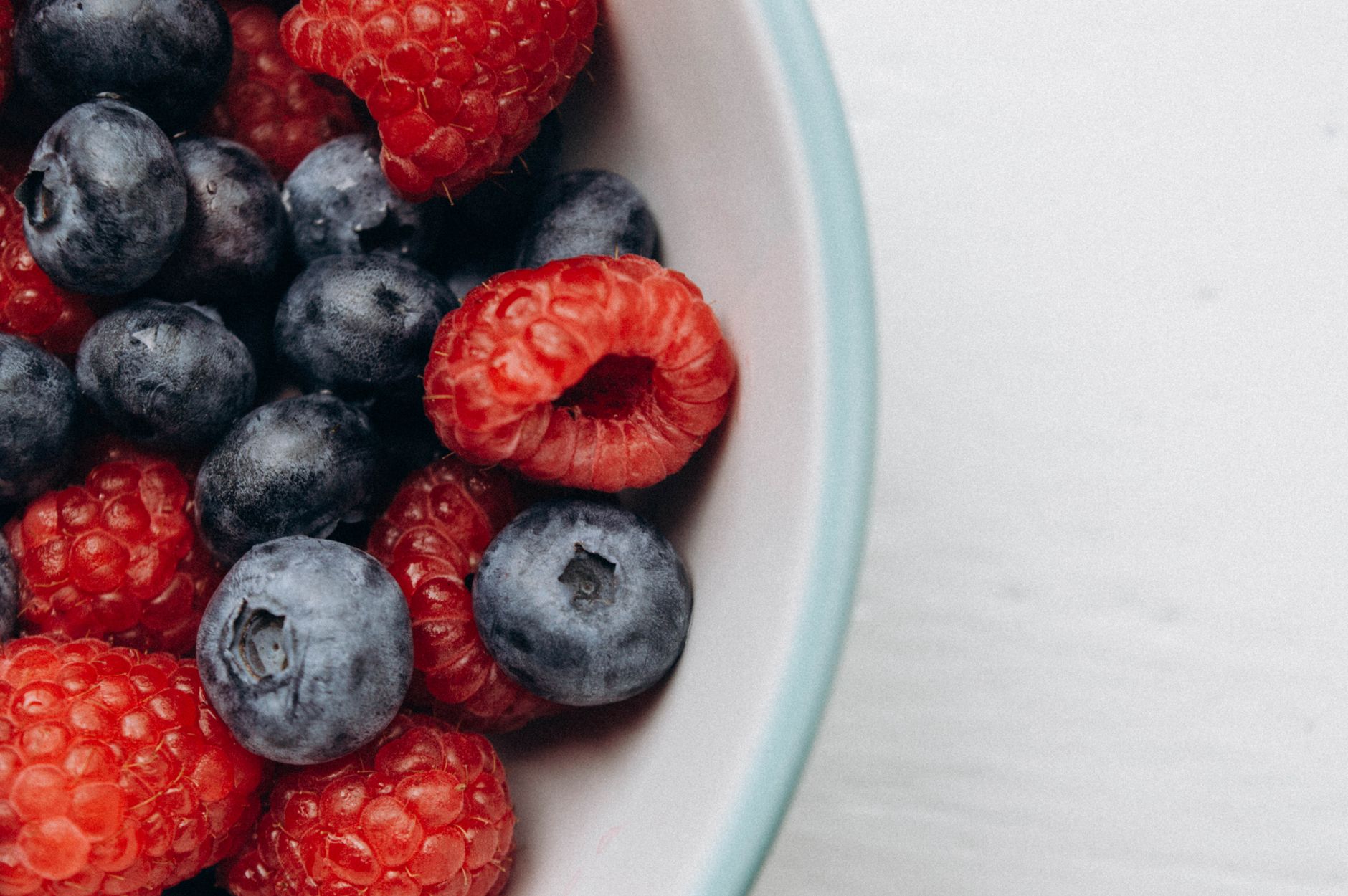
Certain food families consistently appear in lists devoted to natural sources of antioxidants. Berries (blueberry, blackcurrant, blackberry, raspberry) owe their dark colour to pigments called anthocyanins, a particularly well studied family of polyphenols. Citrus fruits and kiwi, meanwhile, provide a good amount of vitamin C, a water-soluble antioxidant also involved in supporting the immune system.
Cruciferous vegetables (cabbage, broccoli, cauliflower) and brightly coloured vegetables such as carrot, beetroot or red pepper provide carotenoids and sulphur compounds with recognised properties. Nuts and oilseeds, particularly Brazil nuts, stand out for their selenium content, a mineral that supports the body’s own antioxidant enzymes.
| Food or source | Main antioxidant family | Traditional use |
|---|---|---|
| Berries (blueberry, blackcurrant, blackberry) | Anthocyanins (polyphenols) | Eaten fresh or as a compote |
| Citrus fruits and kiwi | Vitamin C | Whole fruit, freshly pressed juice |
| Cruciferous vegetables | Sulphur compounds, flavonoids | Steamed to preserve nutrients |
| Brazil nuts, oilseeds | Selenium, vitamin E | A few nuts as a snack |
| Brightly coloured vegetables (carrot, beetroot) | Carotenoids | Raw or cooked, depending on preference |
These sources are not mutually exclusive: combining red berries, colourful vegetables and a few oilseeds each week helps cover several antioxidant families at once, rather than relying on a single food seen as exceptional.
The spices and plants known for their antioxidant power
Beyond fruits and vegetables, several spices and plants are traditionally reputed for their richness in antioxidant compounds, often in more concentrated amounts than everyday foods. Turmeric, thanks to the curcumin it contains, is among the most frequently mentioned spices, alongside cloves and cinnamon, regularly featured in rankings devoted to antioxidant spices.
Green tea holds a particular place in this family thanks to its catechins, extensively studied polyphenols, while raw cocoa (as beans or lightly sweetened powder) also provides interesting flavonoids. Coffee, often overlooked in this context, likewise contributes to overall polyphenol intake within a varied diet.
These plants and spices fit easily into everyday cooking: a pinch of turmeric in a slow-cooked dish, a cup of green tea in the afternoon or a small square of dark, lightly sweetened chocolate after a meal are enough to diversify antioxidant sources without disrupting daily eating habits.
How to add natural antioxidants to a daily diet
Favouring variety remains the simplest principle to apply day to day. Building a colourful plate, combining several shades of fruit and vegetables at each meal, naturally covers a wide range of antioxidant families without needing to precisely calculate the intake of each food.
The preparation method also plays a meaningful role. Overly long or high-temperature cooking can reduce the content of certain heat-sensitive antioxidants, particularly vitamin C. Favouring quick steaming, or eating some fruits and vegetables raw when possible, helps preserve more of these compounds.
A few practical habits make it easy to include these sources without extra effort:
- a handful of fresh or frozen red berries at breakfast or as a snack;
- a portion of cruciferous or colourful vegetables favoured at each main meal;
- a pinch of spices (turmeric, cinnamon, cloves) added to slow-cooked dishes or infusions;
- a few unsalted oilseeds as a snack, in reasonable amounts;
- sufficient hydration, since water also helps the body clear cellular waste.
This kind of diet also connects with digestive comfort: the fibre found in fruits, vegetables and spices supports regular transit, a topic covered in more detail in the article on reducing bloating naturally. Some polyphenols, particularly those from red berries, are also traditionally linked to comfortable blood circulation, a subject already addressed in the article on choosing a blood circulation supplement.
Antioxidants and dietary supplements: what to know before choosing one
With the growing number of dietary supplements marketed as antioxidants, one question comes up often: are they necessary alongside an already varied diet? For most healthy adults, a diet rich in a variety of fruits, vegetables, spices and oilseeds is generally enough to cover the intake sought, without a specific supplement being essential.
Supplementation may still have occasional value in certain particular situations (a period of temporary fatigue, a restrictive diet, guidance from a health professional), but it should never replace a balanced diet or be started without discernment. High doses of certain antioxidant supplements have in fact been the subject of scientific caution, notably regarding some synthetic carotenoids in people who smoke.
Before any purchase, it remains useful to check the product’s exact composition, the origin of its ingredients and the absence of excessive claims, and to seek advice from a pharmacist or health professional in case of ongoing treatment, pregnancy or breastfeeding. These precautions apply to any product marketed as an antioxidant, whatever its form.