
Digestion sometimes becomes difficult after a heavy meal, during a stressful period, or simply with age, showing up as a feeling of heaviness, bloating, or digestion that seems to drag on. Several everyday habits, both at the table and away from meals, traditionally help support more comfortable digestion, without replacing medical advice when troubles persist. This guide presents the most frequent causes of difficult digestion and the simple, time-tested gestures that help improve it naturally.
Everyday pointers to improve digestion
A few simple gestures, spread between mealtime and the rest of the day, come up most often among the habits associated with lighter digestion.
| Gesture | When to use it | Why it traditionally helps |
|---|---|---|
| Chew each bite thoroughly | During the meal | Pre-digests food and avoids overloading the stomach |
| Walk for ten to fifteen minutes | Right after the meal | Supports transit and the release of trapped gas |
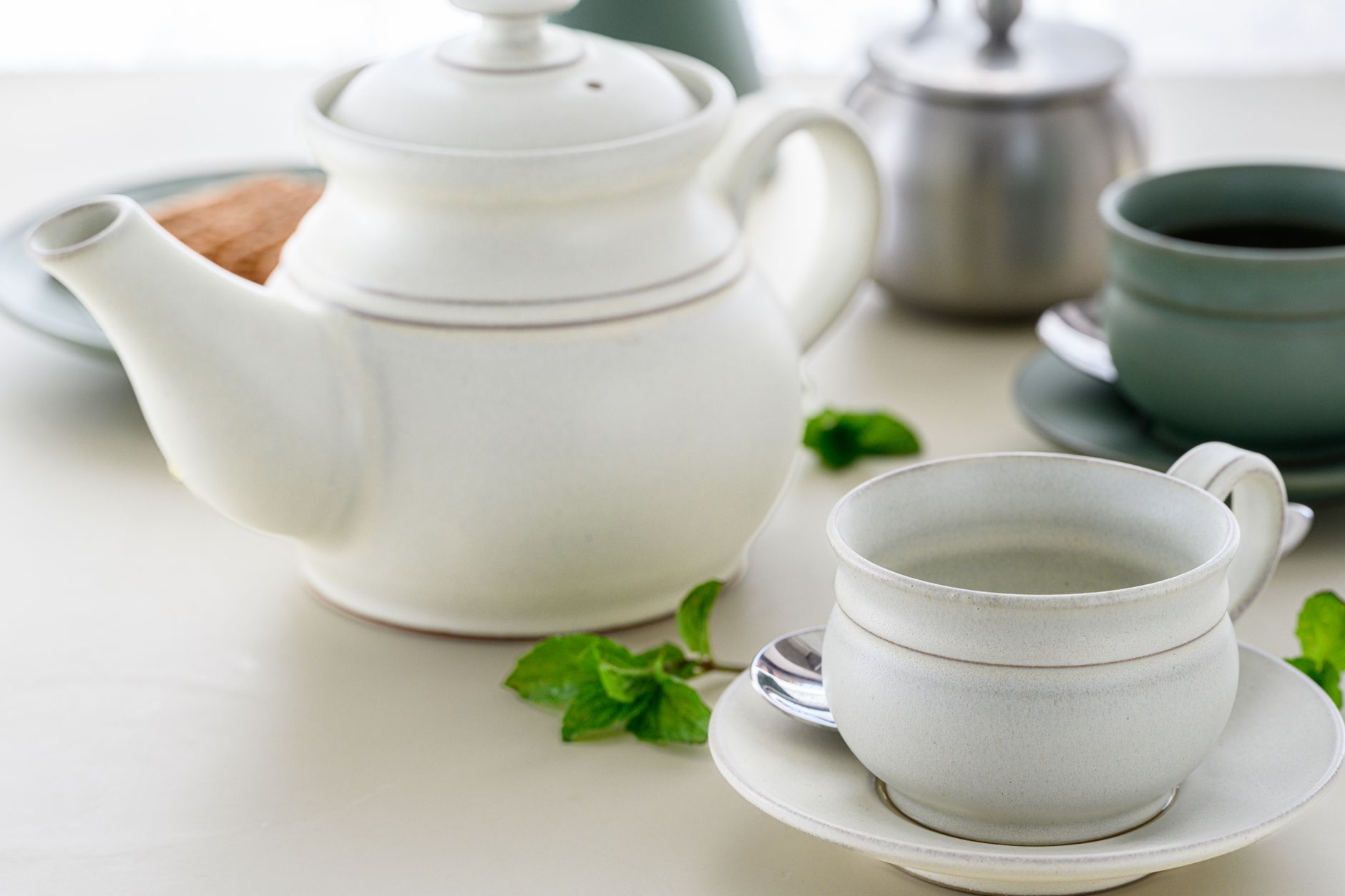
| Drink a digestive tea | After the meal | Traditionally accompanies comfort after a heavy meal |
| Eat fibre at every meal | Every day | Supports regular transit |
| Lighten the evening meal | In the evening | Makes for less disrupted sleep |
These pointers stay general: the pace and habits that work best also depend on each person’s digestive sensitivity.
Why digestion sometimes becomes difficult
Slow or uncomfortable digestion rarely has a single cause. A meal too rich in cooked fats, or simply too large, demands more time and effort from the stomach, which explains the feeling of heaviness felt in the hours that follow. Eating too fast, without chewing enough, also forces the stomach to make up for a grinding job that should have happened in the mouth, which encourages bloating.
Stress and emotions also play a well-documented role in how digestion feels: the link between the nervous system and the digestive system explains why a tense period is often accompanied by cramps or disrupted transit. With age, the digestive system naturally slows down, which makes certain habits more noticeable than before, without this systematically pointing to a health problem.
Some foods come up more often than others among the reported causes of discomfort: fried dishes, fizzy drinks, very spicy meals, or too many fermentable foods (raw cabbage, large amounts of pulses) are frequently mentioned. Identifying the foods that, for a given person, regularly come before digestive discomfort is often more useful than a general list of foods to avoid.
Alcohol and drinks high in caffeine are also among the factors regularly linked to more difficult digestion, especially when they accompany a heavy meal: alcohol slows gastric emptying, and caffeine, in large amounts, is sometimes linked to a more pronounced feeling of acidity. A meal eaten too late in the evening, shortly before bed, also leaves the digestive system less time to do its work before lying down.
Eating in a way that supports digestion
An eating pattern that goes easy on digestion starts with regular, reasonably sized meals, rather than long gaps without eating followed by one very large meal. Spreading food intake slightly, without multiplying snacks, helps the stomach handle amounts that are easier to process each time.
Fibre, found in vegetables, fruit and wholegrain cereals, supports regular transit when introduced gradually and paired with enough hydration: too sudden an increase in fibre can, by contrast, temporarily increase bloating. Cooked fats, which take longer to digest than raw fats, are best kept moderate, particularly in the evening. An overall balanced diet, with meals eaten at regular times, remains the habit most often associated with lighter digestion over time.
Hydration plays its own role, and not only through the water drunk during the meal: drinking enough throughout the day helps fibre play its full role in transit, while too much liquid during the meal itself can dilute digestive juices in some sensitive people. Foods described as fermentable, often grouped under the term FODMAP in the literature on digestive comfort, deserve particular attention for people prone to bloating: reducing them temporarily, then reintroducing them one by one, often helps identify each person’s own triggers, ideally with the support of a healthcare professional.
Everyday gestures that support digestion
Beyond the plate, several simple gestures traditionally go along with more comfortable digestion. Taking the time to chew each bite, for at least ten seconds or so, pre-digests part of the food and reduces the amount of work left to the stomach. Eating seated, in a calm setting rather than rushed or standing, also supports gentler digestion.
Clothes that are too tight around the abdomen sometimes get in the way of digestion by compressing an area already at work after the meal; loosening them, when possible, often relieves a feeling of heaviness. Eating away from any distraction, without a screen or a tense conversation, also helps notice the feeling of fullness earlier and avoid extending a meal beyond actual need.
A ten to fifteen minute walk after the meal, at an easy pace, supports the intestine’s natural movements and helps release trapped gas; lying down straight after a heavy meal, by contrast, often slows this process down. Slow abdominal breathing, practised for a few minutes away from meals, is also associated with better digestive comfort when the discomfort is linked to a tense period, echoing what the guide on teenage stress shows about the link between nervous tension and how the body feels.
Sleep also plays a role: going to bed too soon after a heavy meal, or repeated short nights, are regularly linked to digestion that feels more difficult the next day. A stomach that stays bloated for several hours after a meal, outside of these situations, is covered in more detail in the guide on how to reduce bloating naturally.
Plants traditionally used to support digestion
Several plants traditionally accompany digestive comfort after a meal, most often as a tea. Peppermint, fennel, chamomile and ginger are among the most mentioned, each associated with a slightly different use depending on the type of discomfort felt; the guide on digestive herbs details their respective uses and the precautions specific to each one.
These plants are used alongside eating habits and everyday gestures, never as a replacement for a balanced diet. When the discomfort is more about acid coming back up after a meal, the guide on natural remedies for acid reflux offers more targeted pointers. In the same way, a liver regularly put to work by rich meals has its own approach in the guide on liver detox, a topic close to digestion without being quite the same thing.
When should difficult digestion be a cause for concern
Occasionally heavy digestion, after a festive meal or an identified stressful period, is generally not a cause for concern and improves with the habits set out above. Some signs, however, call for a consultation: digestive troubles that persist for several weeks, unexplained weight loss, blood in the stool, marked pain, or unusual fatigue alongside digestive troubles.
A healthcare professional remains the only person able to identify the precise cause of recurring difficult digestion and rule out a cause that would need specific follow-up. The habits and plants presented in this guide support occasionally difficult digestion; they are no substitute for medical advice when the discomfort keeps coming back or gets worse.