
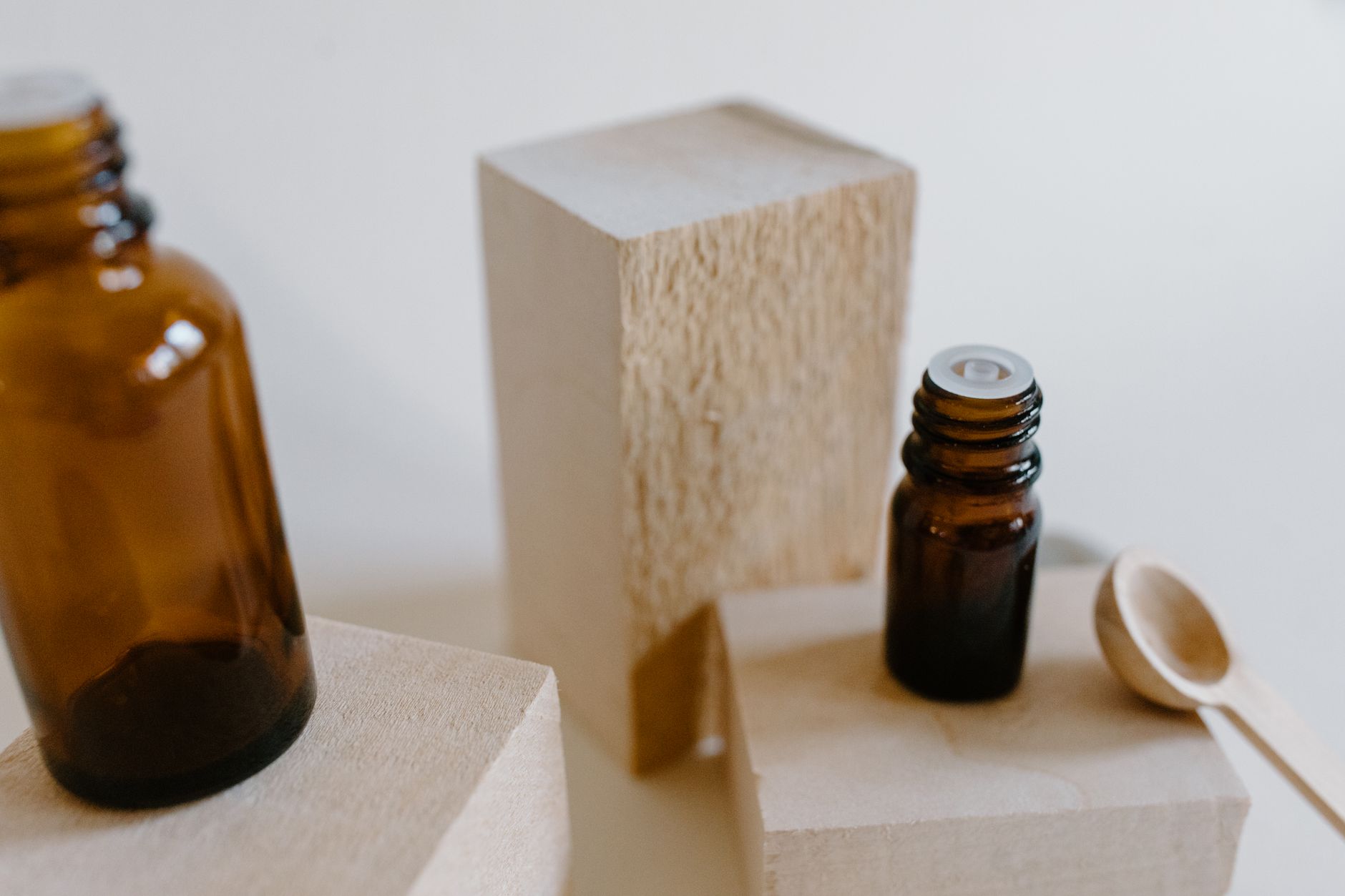
Essential oils serve many purposes at home, from diffusion to cleaning to scenting laundry or living rooms. Knowing how to use essential oils at home means understanding the methods available, with or without a diffuser, the precautions to take around children or pets, and the essences traditionally associated with each use. This guide sets out the key points for a calm, room-by-room approach to using them at home.
Using essential oils at home: a comparison of methods
| Method | Main use | Key precaution |
|---|---|---|
| Electric diffusion | Scenting and freshening a room’s air | Follow the manufacturer’s instructions, air the room afterwards |
| Ultrasonic mist diffusion | Ambience and light humidification | Respect the water and oil amounts indicated |
| Dry inhalation (tissue, stone) | Occasional use, no device needed | Avoid any direct contact with the eyes |
| Diluted skin application | Localised, occasional use | Always dilute in a carrier oil |
| Scented cleaning (baking soda, white vinegar) | Cleaning and naturally scenting surfaces | Match the essential oil to the surface being treated |
Why use essential oils at home?
Essential oils accompany several everyday habits at home: scenting a living room, creating a relaxing atmosphere in the evening, or adding a natural note to laundry and cupboards. Some are also used in homemade cleaning mixes, alongside baking soda or white vinegar, both for their scent and for the freshness they bring to a cleaned surface.
This range of uses explains why essential oils have taken a growing place in households, well beyond personal wellbeing alone. Each method, diffusion, inhalation or skin application, serves a different purpose and calls for its own precautions, detailed further in this guide.
Laundry is another frequent use: a few drops on a wool dryer ball, placed in the tumble dryer drum, gently scent fabrics without resorting to a synthetic fragrance. A soaked cotton ball, tucked into a wardrobe or a suitcase, plays the same role in a quieter, longer-lasting way, for a cupboard or storage space that simply needs to smell pleasant over the following weeks.
Diffusion, the most common method at home
Diffusion remains the most common way to enjoy essential oils in a living space. The ultrasonic electric diffuser, which disperses a fine mist of water and essential oil into the air, suits most household uses and usually allows the duration and intensity to be adjusted. The nebulising diffuser, which needs no water, releases the pure essential oil in a more concentrated way: it suits shorter sessions, in a larger or better-ventilated room.
Whichever device is chosen, a few shared principles apply: follow the label’s guidance on the amount of essential oil and diffusion time, favour short, repeated sessions over continuous all-day diffusion, and always air the room afterwards. The presence of young children, pregnant or breastfeeding women, or pets in the diffused room calls for extra care and a pharmacist’s advice beforehand, as some essential oils are not suited to these groups.
Regular upkeep of the diffuser extends its lifespan and limits the essential oil residue that builds up in the tank. A simple rinse with clean water after each use, complemented from time to time by a more thorough clean following the manufacturer’s instructions, keeps any build-up from affecting the diffusion or the scent obtained in later sessions.
Using essential oils without a diffuser
A diffuser is not essential to enjoy an essential oil at home. Dry inhalation, which involves placing a few drops on a tissue, a porous stone or a wooden stick, allows occasional, easily portable use from room to room. A bowl of hot water, with the essential oil added just before placing it in the room, also releases a light scent for a few hours, with no device or electricity needed.
To scent a cupboard or drawer for longer, a few drops on a piece of untreated fabric or wood are usually enough, to be refreshed depending on the intensity wanted. For household cleaning, some essential oils are added to a mix of baking soda and white vinegar to scent a homemade cleaning solution, taking care to choose an essence suited to the surface being treated and to test the mix on a small area first.
Key precautions to know at home
Beyond the chosen method, a few precautions apply to any household use of essential oils. Bottles keep best away from light and heat, in a closed place out of reach of children, as some essential oils carry a risk if accidentally swallowed. A patch test on a small area of skin remains advisable before any diluted skin application, and a pharmacist’s advice is needed before use around a pregnant or breastfeeding woman, an infant or a young child.
Pets, cats in particular, are sensitive to several compounds found in certain essential oils: limiting diffusion in rooms they use and airing well afterwards helps avoid any discomfort. Finally, some essential oils are flammable: keeping them away from an open flame or direct heat source is a simple, useful precaution, as with any scented household product.
Some essences, notably citrus essential oils such as lemon or bergamot, are described as photosensitising: applied to the skin before sun exposure, they can encourage the appearance of marks. Reserving their skin use for moments with no planned sun exposure, or favouring diffusion over application for these oils, avoids this drawback while still enjoying their scent.
Which essential oils to choose for the home?
Choosing an essential oil depends above all on the intended use and the room concerned. Fine lavender, traditionally associated with a calming atmosphere, works well diffused in the evening in a bedroom or living room. Lemon, with its fresh, lively scent, suits a kitchen or hallway, while oils such as tea tree, ravintsara or eucalyptus radiata are among those traditionally mentioned for their fresh, camphoraceous scent during the cold season. For a cold or a blocked nose, see the comparisons of natural solutions against colds and nasal sprays, and ask a pharmacist for advice.
Outdoors or on a terrace, citronella remains one of the most sought-after essences for diffusion, especially on summer evenings. For winter, a broader look at natural products traditionally associated with the flu season usefully complements this guide to household uses of essential oils, without ever replacing it in case of persistent discomfort, which always calls for medical advice.
Combining several essences, for example lavender and lemon for an atmosphere that is both calming and fresh, remains possible provided the precautions specific to each essential oil are respected. As with any household use, the manufacturer’s instructions and a pharmacist’s advice remain the best guides for matching an essence to each home’s situation.
Keeping a small, well-labelled selection on hand, rather than a large, rarely used collection, also makes it easier to remember each oil’s precautions and to replace a bottle once it has passed its recommended shelf life. An opened bottle generally keeps its qualities for about a year, sometimes less for citrus essences, which is worth checking on the label before reaching for an older bottle for a new use around the home. A cool, dark drawer away from the bathroom’s humidity suits this kind of small collection particularly well.