
A bloated stomach after meals or by the end of the day affects a large number of people, without this systematically pointing to a health problem. Intestinal fermentation, slow transit or simply swallowing air while eating are among the most common causes of this feeling of abdominal tension. Understanding what favours a bloated stomach makes it possible to adjust a few simple habits and explore traditional approaches to reduce bloating naturally, without looking for a miracle solution or ignoring signals that deserve medical attention.
Common causes of a bloated stomach in daily life
The feeling of a bloated stomach most often results from fermentation in the intestine, when certain poorly digested foods produce gas on contact with the microbiota. Slow transit amplifies this fermentation by leaving food residue in contact with the intestinal flora for longer. Eating too quickly, talking while eating or drinking fizzy drinks also increases the amount of air swallowed, a factor that is often underestimated.
Stress also plays a recognised role in digestive comfort: the nervous system and the digestive system communicate constantly, and a period of tension can slow or disrupt transit without any particular food being responsible. In some people, a more pronounced digestive sensitivity (sometimes described as irritable bowel) makes the stomach more reactive to foods that are otherwise well tolerated by others.
Other, less often mentioned factors also contribute to a bloated stomach. Hormonal variations, particularly in women around the menstrual cycle, frequently come with water retention perceived as lower abdomen bloating, a discomfort also targeted by the formulas reviewed in our guide to choosing a supplement brand for PMS and menstrual comfort. Beyond the cycle, formulas designed for perimenopause and menopause are compared in our article on choosing a supplement for female hormonal balance. Prolonged sitting, common during a working day, also slows intestinal transit by compressing the abdominal area, and weighs on venous return to the point where picking a blood circulation supplement becomes a frequent question for the people concerned. Lastly, a lack of regular physical activity deprives the intestine of the natural mechanical stimulation provided by movement, which favours a more sluggish transit over time.
The diet to favour for a less bloated stomach
Certain simple dietary choices reduce the frequency and intensity of bloating episodes, without requiring a strict diet. Favouring gentle cooking of vegetables rather than eating them raw in large amounts makes digestion easier for many people. Splitting meals and avoiding overly generous portions in the evening also limits the digestive load at a time when transit naturally slows down.
The following foods are frequently mentioned as triggers to watch, without this meaning they need to be excluded systematically:
- raw cabbage and legumes, or large amounts of them, rich in fermentable fibre;
- fizzy drinks and chewing gum, which favour swallowing air;
- certain sweeteners (sorbitol, xylitol) found in reduced-sugar products;
- dishes rich in cooked fats, which take longer to digest;
- excess salt, which favours water retention perceived as bloating.
Drinking enough water throughout the day, rather than large amounts during meals, also supports regular transit. Fibre plays a double role in digestive comfort: it supports regular transit over time, but introducing it too abruptly, particularly through legumes or bran, can temporarily increase bloating. A gradual increase, combined with sufficient hydration, limits this discomfort while the digestive system adapts.
The timing of meals also matters: eating too late or too heavily leaves less time for the digestive system to process food before lying down for the night, which favours a feeling of heaviness on waking. Leaving at least two to three hours between the last meal and bedtime, when lifestyle allows it, is one of the simple adjustments regularly mentioned for improved digestive comfort.
Plants traditionally used for digestive comfort
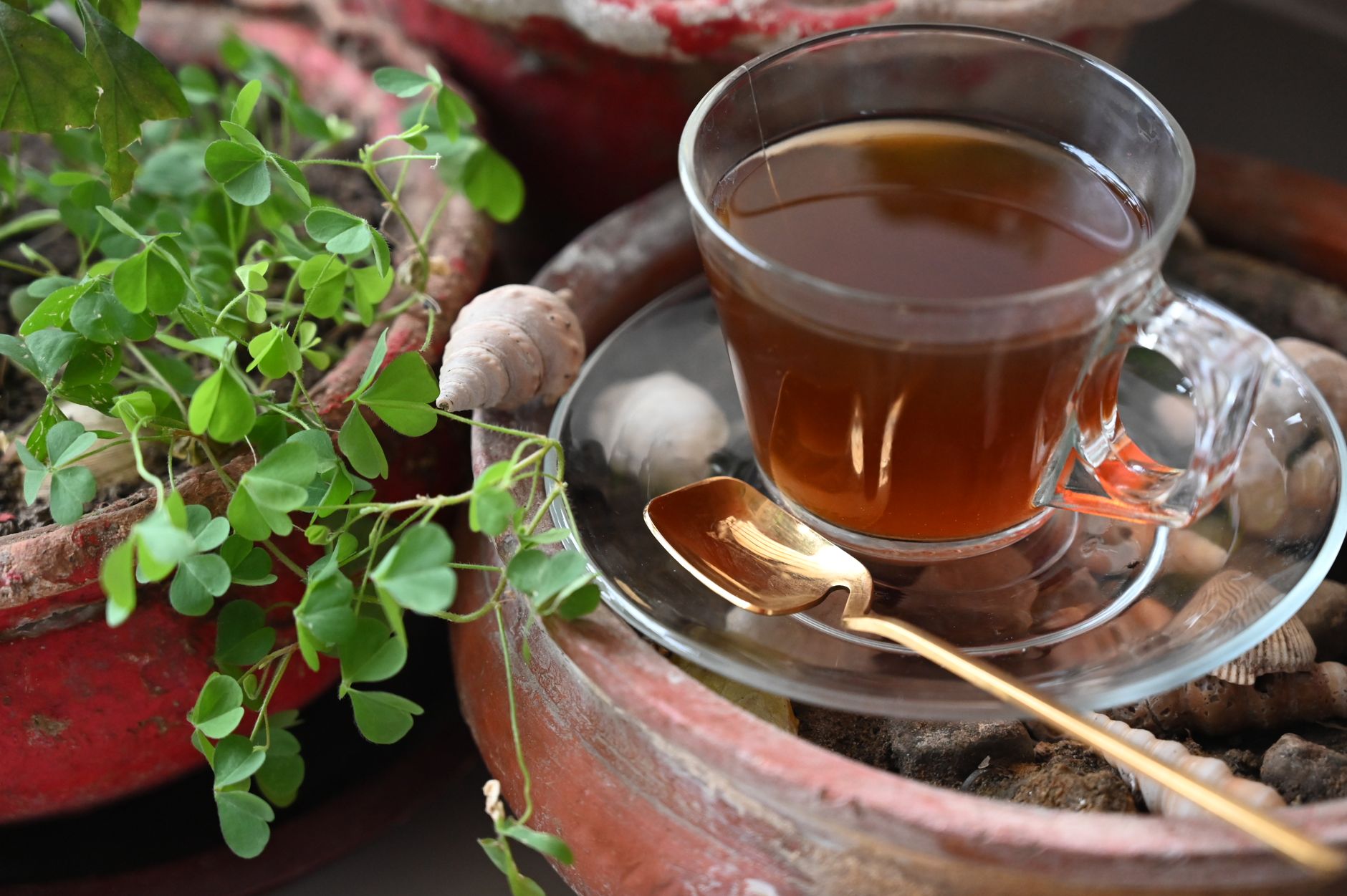
Several plants have long accompanied meals or moments of digestive discomfort, mainly as infusions. Peppermint is one of the most frequently mentioned for its traditional use after meals, as is fennel, whose infused seeds have long been associated with abdominal comfort. Ginger, fresh or infused, completes this family of plants traditionally used to support digestion.
Activated charcoal is in turn traditionally used for its absorbent properties, particularly in case of excess intestinal gas, generally taken away from meals and medication so as not to reduce their absorption.
| Plant or remedy | Traditional use | Precaution |
|---|---|---|
| Peppermint | Infusion after meals | Not advised in case of gastro-oesophageal reflux |
| Fennel (seeds) | Infusion for abdominal comfort | Avoid during pregnancy without prior advice |
| Ginger | Infusion or fresh, alongside meals | Caution with anticoagulant treatment |
| Activated charcoal | Absorption of intestinal gas | Away from meals and medication |
Other plants traditionally complete this digestive comfort family. Aniseed, often paired with fennel in infusion blends, shares a long-standing reputation for aiding digestion after meals. Chamomile, better known for its calming properties in the evening, is also traditionally used for digestive difficulties linked to nervous tension. These plants fit easily into an evening or after-meal routine, alternated according to individual preference, without needing to combine them all at once.
These uses belong to popular tradition and everyday wellbeing: they do not replace a diagnosis or medical treatment, and professional advice remains recommended in case of doubt, pregnancy, breastfeeding or ongoing treatment.
Baking soda and traditional home remedies: what to know
Baking soda diluted in a glass of warm water is one of the best-known home remedies against a bloated stomach, particularly when it comes with a feeling of acidity. Its use traditionally remains occasional: repeated use is not advised, particularly for people on a low-salt diet or with high blood pressure, due to its sodium content.
Warm water with lemon in the morning on an empty stomach is another popular remedy, said to gently stimulate digestion, though no effect can be scientifically guaranteed. These habits belong to a tradition of everyday wellbeing rather than a therapeutic approach, and work best alongside an overall balanced diet.
Physical activity and stress management to limit bloating
Movement has a direct effect on intestinal transit: a short walk after a meal, even a brief one, helps restart digestion and reduce the feeling of abdominal tension. Regular physical activity, suited to individual ability, more broadly contributes to stable transit over time, beyond occasional episodes of bloating.
Stress management deserves comparable attention, given how close the link is between the nervous system and the digestive system. Simple relaxation techniques (deep breathing, gentle stretching, regular moments of calm during the day) help soothe a digestive system put under strain by prolonged periods of tension. Quality sleep also supports digestive balance, a well-rested stomach being generally less prone to bloating.
Certain targeted exercises, such as deep abdominal breathing, act directly on the stomach area by gently massaging the digestive organs with each inhale. Practised for a few minutes in the morning or after a meal, this slow breathing helps release tension built up in the abdominal area. Gentle torso stretches, particularly twists, complete this approach by gently stimulating transit without intense effort.
When to consult a health professional about a bloated stomach
Occasional bloating linked to a heavy meal or a passing period of stress does not generally call for urgent consultation. However, certain signals deserve particular attention and prompt medical advice:
- bloating that persists for several weeks without improvement despite simple adjustments;
- marked or unusual abdominal pain;
- unexplained weight loss over a short period;
- blood in the stool or unusually dark stools;
- persistent fatigue associated with digestive troubles.
These signs do not necessarily mean a serious condition, but only a health professional can make a reliable diagnosis and offer support suited to the situation. The natural approaches presented in this article are part of an everyday comfort routine and are in no way a substitute for medical advice.