
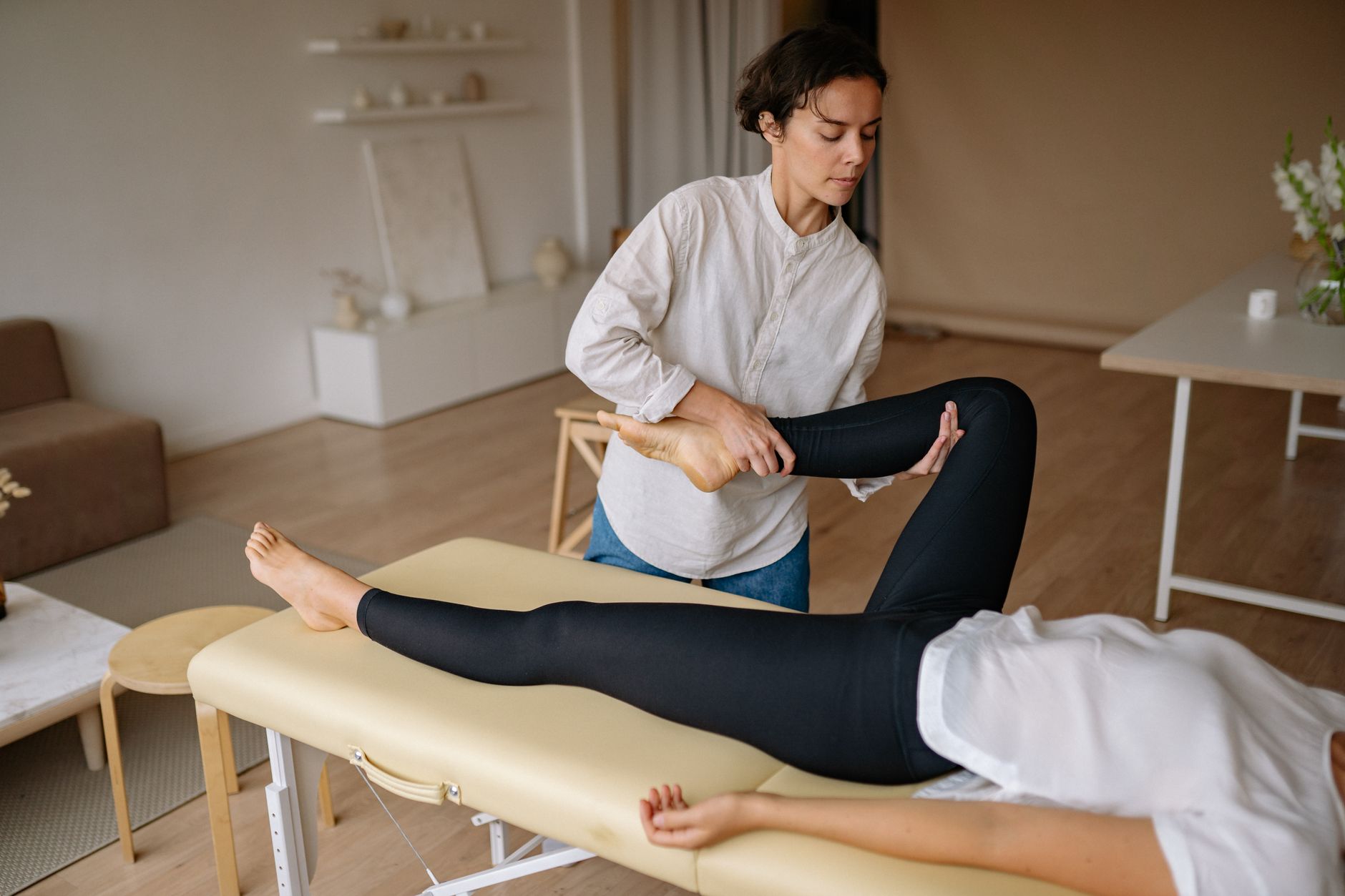
The question of how to relieve heavy legs naturally comes up often at the end of the day, during hot weather, or after long periods of standing. This sensation of heaviness, sometimes accompanied by tingling or slight ankle swelling, relates to venous circulation in the lower limbs and affects a great many people throughout the year. Several traditional plants and habits support this circulatory comfort day to day, without ever replacing medical advice in case of persistent discomfort or unusual signs.
Heavy legs: a common and generally harmless sensation
The veins in the legs carry blood back to the heart against gravity, a task made possible by small valves that prevent blood from flowing back downward. When this venous return slows down, particularly with heat, prolonged standing, or a sedentary lifestyle, blood tends to pool in the legs and produces the characteristic sensation of heaviness and sometimes mild swelling.
This discomfort is usually harmless and occasional, made worse by everyday factors such as summer heat, long periods spent standing or sitting, or certain hormonal periods. It can nonetheless become more frequent with age or form part of an established venous insufficiency, a situation that calls for a diagnosis from a health professional rather than a simple comfort habit.
Plants traditionally associated with heavy legs
Several plants have long supported circulatory comfort in the legs within European herbal tradition. Each has its own use and its own precautions, worth knowing before any regular course.
Red vine leaf, the most cited plant
Red vine leaf is probably the plant most often associated with venous comfort in the legs within popular tradition, taken as an infusion of dried leaves or in capsules. It is traditionally regarded as supporting the tone of vein walls, particularly during hot weather. It fits easily into an evening routine, whether as a tisane or a dry extract.
Horse chestnut and its traditional use
Horse chestnut, used in capsules or dry extract, is among the plants most anciently associated with leg comfort in European herbal medicine. It is often mentioned for supporting the sensation of heavy legs at the end of the day, particularly among people exposed to long periods of standing. Pharmacist advice remains useful for anyone on anticoagulant treatment.
Witch hazel, for local use
Witch hazel, traditionally used as a lotion or gel applied to the legs, is valued for its refreshing and toning effect when applied locally at the end of the day. This plant pairs well with a light massage of the calves moving upward, in the direction of venous return. It usefully complements a course taken orally rather than replacing it.
Sweet clover, for overall circulatory comfort
Sweet clover is traditionally associated with circulatory and lymphatic comfort in European popular use, most often as an infusion. It is sometimes combined with red vine leaf or horse chestnut in plant blends dedicated to leg circulation. As with the other vein-toning plants, medical advice remains recommended for anyone on treatment or who is pregnant.
Daily habits that relieve the sensation of heavy legs
Beyond plants, several simple habits support circulatory comfort throughout the day. Elevating the legs for a few minutes, above heart level, supports venous return and quickly eases the sensation of heaviness built up after a day spent standing or sitting. Finishing a shower with a jet of cold water on the calves, moving from the ankles toward the knees, is a habit traditionally cited for its toning effect on blood vessels.
Regular walking remains one of the most useful habits for leg circulation, since the contraction of the calf muscles acts as a natural pump that helps blood move back up toward the heart. Avoiding tight clothing around the thighs, moving the ankles during long flights or car journeys, and limiting prolonged exposure to heat round out these simple habits. Compression stockings, recommended by many health professionals for recurring discomfort, can also accompany these daily gestures, alongside the blood circulation supplements sometimes used as a course.
Table of vein-toning plants and their precautions
The table below summarises the most common traditional uses and the precautions linked to each plant mentioned above:
| Plant | Traditional use | Main precaution |
|---|---|---|
| Red vine leaf | Infusion of leaves or capsules | Generally well tolerated, medical advice during pregnancy |
| Horse chestnut | Capsules or dry extract | Caution with anticoagulant treatment |
| Witch hazel | Lotion or gel for local application | For external use only, avoid open wounds |
| Sweet clover | Infusion, alone or blended | Medical advice for anyone on treatment |
A course is usually built over several weeks, giving time to observe whether the habit suits and remains well tolerated. Introducing one plant at a time also makes it easier to spot an unusual reaction.
Precautions and when to consult a health professional
The sensation of heavy legs is usually harmless, but certain signs warrant a prompt consultation rather than a simple comfort habit. Swelling affecting only one leg, sharp and localised pain, redness, or unusual warmth of the skin can indicate a circulatory emergency and call for medical advice without delay.
Discomfort that settles in long term, worsens over the weeks, or comes with increasingly visible varicose veins also deserves a professional diagnosis rather than prolonged self-treatment. Pregnancy is a period when this follow-up is particularly recommended, as hormonal and circulatory changes are more pronounced. None of the plants mentioned in this article should replace a prescribed treatment or delay a consultation in case of doubt.
Lifestyle habits that support calm circulation
Beyond plants and occasional gestures, several underlying habits support circulatory comfort over time. Sufficient hydration throughout the day and a diet rich in natural antioxidants, like those presented in our article on the best natural antioxidant, contribute to the overall health of blood vessels. Limiting prolonged static positions, whether sitting at a desk or standing in certain professions, usefully rounds out these habits.
Maintaining a stable weight and regular physical activity, even moderate activity like walking or swimming, support leg circulation over the long term and connect with the habits presented in our guide on plants traditionally associated with blood pressure. These habits build up gradually, without pressure or urgency, and become more effective when maintained over time rather than adopted only occasionally.