

In short:
- The first step in choosing a blocked nose natural nasal spray is its base: plain seawater (Physiomer), seawater enriched with trace elements (Stérimar), or a saline solution combined with essential oils (Pranarôm, Puressentiel, Phytosun Arôms).
- Salt concentration separates hygiene from decongestion: 9 g/L for isotonic saline, up to 22 g/L of mineral salts for hypertonic seawater.
- Among the three aromatic sprays, Pranarôm lists the most actives (six organic oils, propolis, witch hazel), keeps its opened bottle for 30 days and can be used from age 3; Puressentiel recommends use within 14 days of opening, and Phytosun Arôms offers a menthol formula designed for children from age 6.
- Prices range from 0.48 euro per 10 ml (Physiomer) to 5.93 euros (Pranarôm), a one-to-twelve ratio that reflects the amount of actives per bottle.
The five sprays in one table, read by composition
| What the label says | Physiomer | Stérimar | Phytosun Arôms | Puressentiel | Pranarôm |
|---|---|---|---|---|---|
| Family | Plain seawater | Enriched seawater | Seawater and oils | Seawater and oils | Saline solution and oils |
| Added plant or mineral actives | 0 | 2 (copper, manganese) | 3 (eucalyptus, niaouli, wild mint) | 7 (4 oils, propolis, echinacea, rosemary floral water) | 8 (6 oils, propolis, witch hazel) |
| Usable from | Age 2 | Age 3 | Age 6 | Age 3 | Age 3 |
| After opening | Not stated | Not stated | Not stated | 14 days | 30 days |
| Size | 125 ml | 100 ml | 20 ml | 15 ml | 15 ml |
| Price per 10 ml (each formula meets a different use) | €0.48 | €0.73 | €3.65 | €4.26 | €5.93 |
| Verdict | Entry price, suited to toddlers | A 10 to 15 day seawater course with copper and manganese | For mint lovers, after age 6 | An aromatic formula at a moderate price | Rich in actives, keeps 30 days after opening |
What a natural nasal spray actually contains
Behind the word natural, three recipes share the same shelf. All of them start from salted water, and the salt level decides what the bottle is for.
Reference saline holds 9 g of sodium chloride per litre. At this concentration, called isotonic, the solution rinses without changing the water balance of the tissues: it is meant for cleaning the nose, not clearing it.
Above that threshold, the solution becomes hypertonic. Physiomer states 22 g of mineral salts per litre in its undiluted seawater. This gap in concentration pulls water out of the swollen lining, which can reopen the airway a little and thin secretions.
Essential oils, when present, come on top of this base. They bring a fresh feeling and an aromatic profile, without changing the underlying physical principle.
Physiomer and Stérimar: seawater, with or without additions
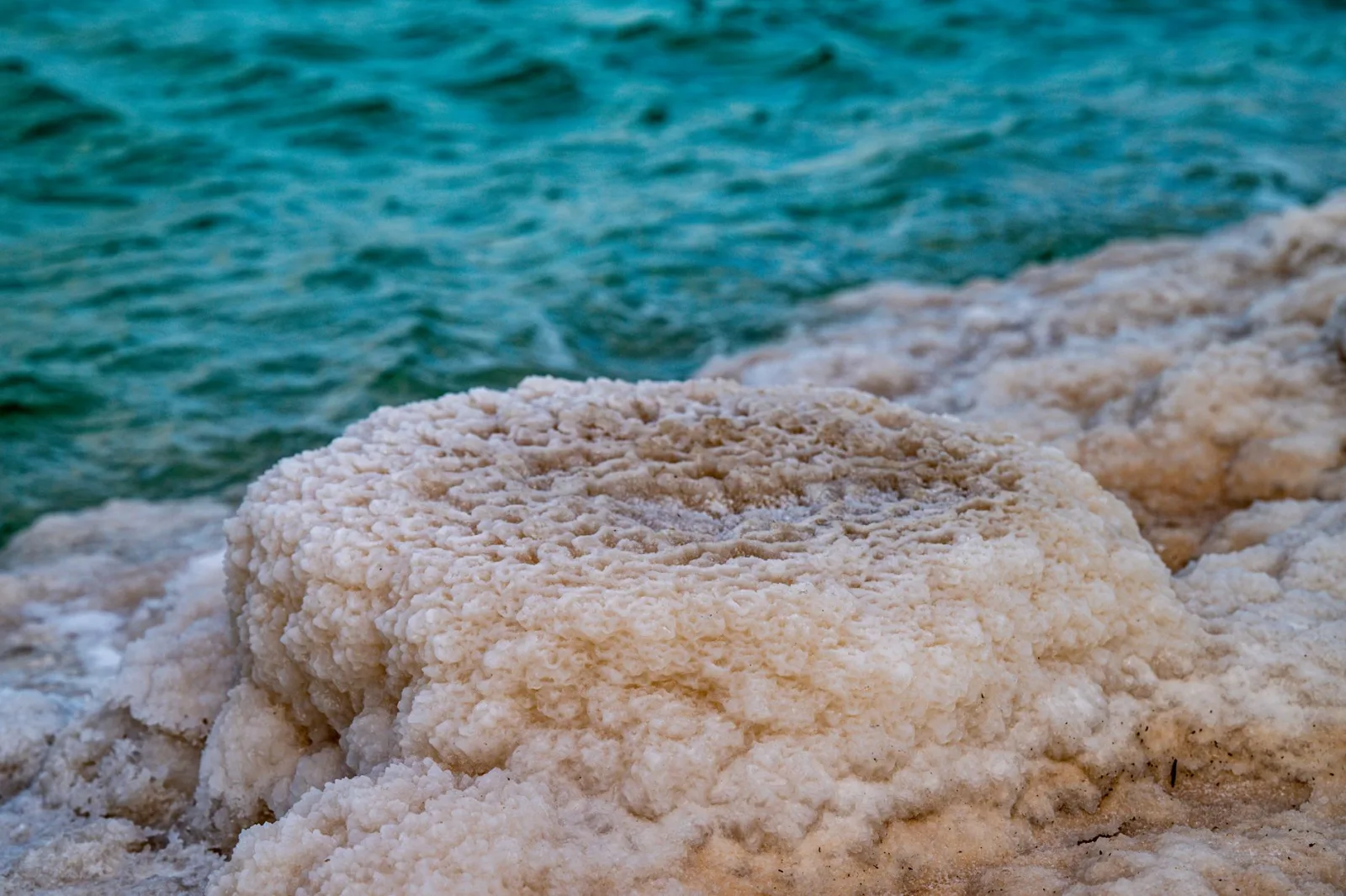
Physiomer works with seawater collected near Saint-Malo, undiluted, with no preservative and no propellant gas. It is the shortest formula of the panel: a single ingredient, usable from age 2, for 5.98 euros per 125 ml.
Stérimar adds copper and manganese salts to its seawater, which makes up 75 ml out of 100. The brand recommends a 10 to 15 day course, at 2 to 4 sprays per nostril daily, from age 3. The 100 ml bottle is priced at 7.29 euros.
Physiomer and Stérimar rely on a simple formula, without essential oil, suited to those who prefer a formula without any aromatic note.
Essential oil sprays: Pranarôm, Puressentiel, Phytosun Arôms
These three brands share a hypertonic saline base. What separates them is the number of oils, the associated actives, the permitted age and the life of the bottle once opened.
Pranarôm, the fullest formula
Pranarôm, a Belgian aromatherapy laboratory created in 1991, devotes a full breathing collection to the ENT area, which includes its organic decongestant nasal spray, registered as a medical device.
Its hypertonic saline solution carries 0.3% organic propolis, a witch hazel extract and 0.1% of a blend of six organic essential oils. Three of them, saro, cineole myrtle and eucalyptus radiata, belong to the family of 1,8-cineole oils, often chosen for the feeling of freer breathing. Rose geranium, rock rose and black spruce round out the profile.
Propolis is a resin that bees gather from tree buds. It stands out for its flavonoid content, polyphenols from the same family as several natural antioxidants studied in the diet.
The bottle itself is part of the formula. Pranarôm describes a pump system, a tamper-proof closure and filtering of the air that enters the bottle, which explains a 30-day shelf life after opening. The brand also presents this spray as free from any risk of dependence.
The manufacturer states a drop in mucus viscosity within 30 seconds, measured in vitro.
Puressentiel, a similar formula at a lower price
Puressentiel uses four organic oils, ravintsara, eucalyptus radiata, niaouli and geranium, on a base of hypertonic seawater and organic rosemary floral water. Propolis and echinacea complete the list. The 15 ml spray costs 6.39 euros.
The leaflet specifies use within two weeks of opening and recommends professional advice during pregnancy and breastfeeding. An adult can apply 2 sprays per nostril, up to 5 times a day.
Phytosun Arôms, the mint option
Phytosun Arôms pairs hypertonic seawater with eucalyptus, niaouli and wild mint extract. That extract defines the formula: the freshness is felt as soon as it is sprayed.
This menthol profile suits children from age 6. The 20 ml spray costs 7.29 euros, for one spray in each nostril, six times a day at most. Like Puressentiel, it comes with a recommendation to seek professional advice during pregnancy and breastfeeding.
Number of sprays by age
| Age | Pranarôm | Puressentiel | Phytosun Arôms |
|---|---|---|---|
| Under 3 | Not recommended, unless medically advised | Not recommended | Not recommended |
| 3 to 6 | 1 per nostril, up to 5 times a day | 1 per nostril, up to 5 times a day | Not recommended |
| 6 to 12 | 1 to 2 per nostril, up to 5 times a day | 1 per nostril, up to 5 times a day | 1 per nostril, up to 6 times a day |
| Over 12 and adults | 1 to 4 per nostril, up to 5 times a day | 2 per nostril, up to 5 times a day | 1 per nostril, up to 6 times a day |
Pranarôm details its dosage over four age bands, which makes family use easier. For a family with children aged 4 and 9, one formula covers both, provided each person has their own bottle for hygiene reasons.
What studies say about nasal rinsing
Salt water rinsing is one of the most recommended gestures during a cold, yet its scientific backing remains modest. The Cochrane review on the subject brought together five controlled trials.
“Most trials were small and had significant methodological limitations; larger studies using common outcome measures are still needed.” King et al., Cochrane systematic review on saline nasal irrigation for acute respiratory infections, 2015 (summary)
The largest trial in this review followed 401 children aged 6 to 10. It observed a reduction in several complaints, including nasal secretions and obstruction, in children who used salt water rinsing.
For the reader, the conclusion is practical: salt water keeps a reasonable place in a cold routine, with a benefit measured in comfort rather than cure.
Four questions to ask before buying
Who is the bottle for? A two-year-old points to Physiomer, a four-year-old also opens the door to Stérimar, Pranarôm and Puressentiel. A toddler with a cold often sleeps less well, and broken nights are among the reasons a child cries all the time during a cold.
Is there a pregnancy or breastfeeding? Puressentiel and Phytosun Arôms recommend professional advice for these periods in their leaflet. The opinion of a health professional (doctor, midwife, pharmacist) then comes before any aromatic spray, as with other preparations taken at that time, such as Bach flowers while breastfeeding.
How long will it be used? For a cold of a few days, a bottle that keeps 30 days after opening limits waste, and stays available if a second episode comes within the month. A longer course, during pollen season for example, is better planned with seawater.
What tolerance to the ingredients? An already identified allergy, to an oil, to propolis or to echinacea, rules out the spray that contains it. All five leaflets list their ingredients, which makes it possible to check before opening the bottle.
Using a nasal spray well
The gesture starts with blowing the nose, so the solution reaches the lining instead of getting lost in secretions. The bottle is shaken, the tip goes into the nostril, and the spray goes with a gentle breath in through the nose.
After use, the tip is rinsed with hot water and left to air dry before its cap goes back on. A nose that stays congested beyond ten days or so, a fever or pain around the sinuses call for a consultation rather than another bottle.