
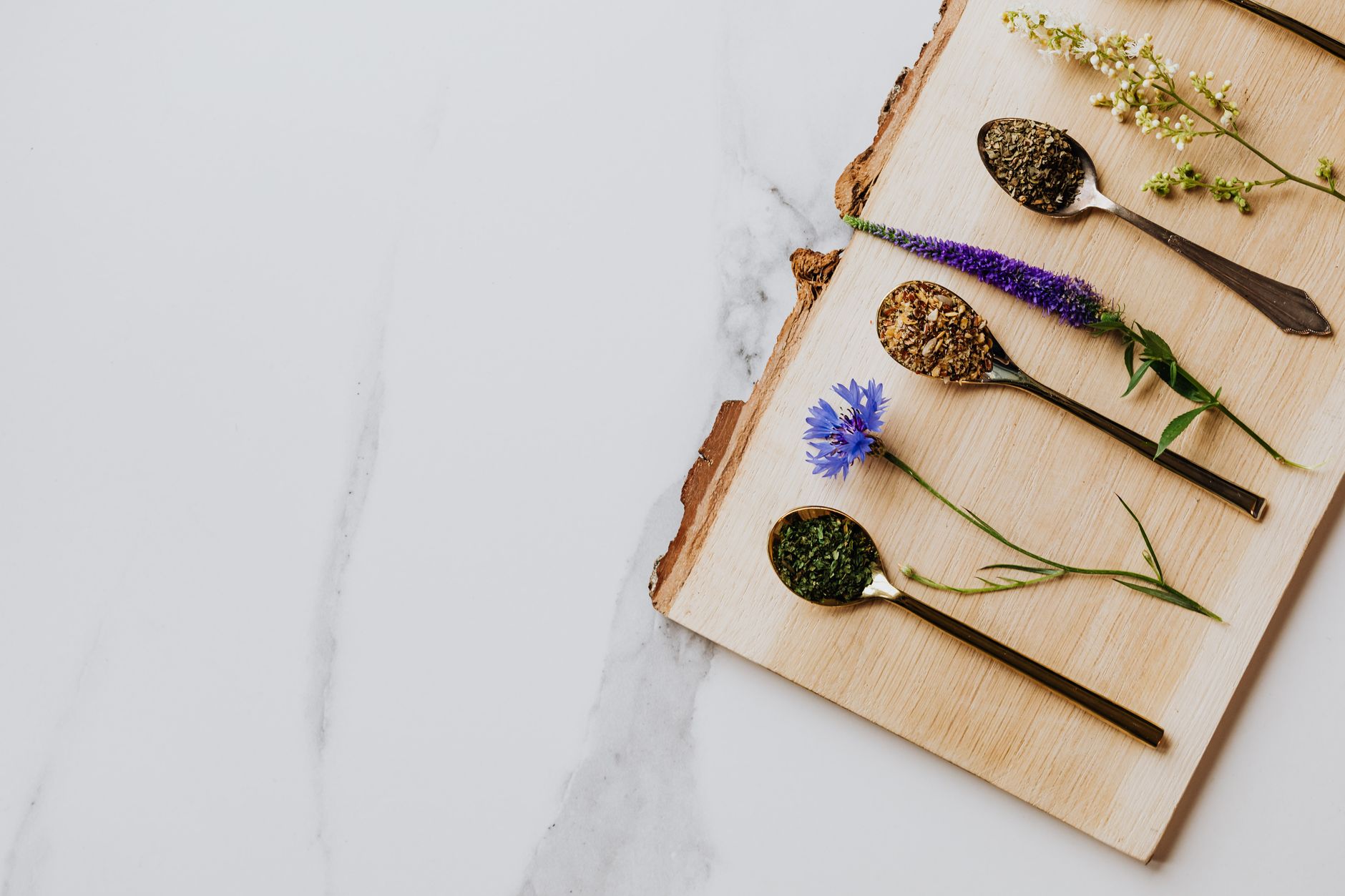
The question which plant lowers blood pressure comes up regularly among people who monitor their blood pressure and look for habits that complement their medical follow-up. Several plants have long accompanied cardiovascular comfort in popular tradition, without any of them replacing a diagnosis or a prescribed treatment. This overview presents the most documented uses, their limits and the precautions worth knowing before any course.
Understanding blood pressure before choosing a plant
Blood pressure corresponds to the force exerted by blood on the artery walls with every heartbeat. It naturally varies throughout the day, depending on activity, stress or diet, which is why a single reading is never enough to make a diagnosis. Only a health professional can determine whether blood pressure is persistently elevated and requires monitoring or treatment.
It is in this context that many people turn to plants traditionally associated with cardiovascular comfort, as a complement to an overall lifestyle rather than a substitute for it. These uses are rooted in old popular and herbalist traditions, not in a promise of guaranteed effect, and deserve the same caution as any change in dietary habits.
Plants traditionally associated with blood pressure
Some plants come up more often than others in popular uses linked to blood pressure. Each has its own history of use and its own precautions, which are worth knowing before adding it to a routine.
Garlic, the most cited plant
Garlic is probably the plant most often associated with cardiovascular comfort in popular tradition, whether eaten raw, cooked or taken as an infusion. It is traditionally regarded as supporting blood vessel health day to day. Its strong taste sometimes limits regular consumption, which has led to capsule or extract preparations, best chosen with professional guidance when an anticoagulant treatment is already underway.
Hawthorn, traditionally associated with cardiovascular comfort
Hawthorn, used as an infusion of flowers or berries, is among the plants most anciently associated with the heart and nervous relaxation in European herbal medicine. It is often mentioned to accompany periods when stress is felt through the perceived heart rhythm. Its traditional use as an evening herbal tea makes it a gentle habit to adopt, outside of any self-medication when a cardiac treatment is already being followed.
Olive leaves as an infusion
Olive leaves, dried then infused, are traditionally used around the Mediterranean to accompany cardiovascular comfort through the seasons. This slightly bitter herbal tea fits easily into a daily routine, often as a course of a few weeks that can be renewed according to individual habits. It complements other daily habits rather than replacing them.
Ashwagandha, to act on the associated stress
Ashwagandha, an adaptogenic plant from Ayurvedic medicine, is traditionally used to accompany periods of prolonged stress, a factor that also weighs on perceived blood pressure. It is usually taken as a powder, capsule or extract, and deserves particular attention in people following treatment for the thyroid or an autoimmune condition, situations where prior medical advice is recommended.
Cinnamon, a use that needs framing
Cinnamon is sometimes mentioned in popular uses linked to blood pressure, particularly in its Ceylon form, considered milder than the Cassia variety. The latter contains more coumarin, a substance whose regular consumption in large amounts is monitored by European health authorities. Occasional culinary use remains the simplest and safest way to enjoy this spice day to day.
How to fit these plants into a daily routine
Herbal tea remains the simplest way to discover these plants day to day, whether olive leaves, hawthorn flowers or dried garlic. A cup prepared in the morning or at the end of the day fits easily into an existing routine, without disrupting dietary habits. Capsules and dry extracts are better suited to strong tasting plants, such as garlic or ashwagandha, for those who prefer to avoid infusions.
The table below summarises the most common traditional uses and the precautions associated with each plant:
| Plant | Traditional use | Main precaution |
|---|---|---|
| Garlic | Raw, cooked, as a capsule or infusion | Caution with anticoagulant treatment |
| Hawthorn | Flower or berry infusion, in the evening | Medical advice if a cardiac treatment is underway |
| Olive leaves | Infusion, as a course of a few weeks | Generally well tolerated, caution during pregnancy |
| Ashwagandha | Powder, capsule or extract | Caution with thyroid or autoimmune conditions |
| Cinnamon | Occasional culinary use | Cassia variety to limit because of coumarin |
A course is generally built over several weeks rather than a few days, allowing time to see whether the habit suits and is well tolerated. Introducing one plant at a time also makes it easier to spot any unusual reaction.
Precautions and interactions to know before any course
Plants are not harmless substances simply because they are natural, particularly when a medication is already in place. Garlic and ashwagandha, for example, call for particular vigilance when combined with an anticoagulant or antihypertensive treatment, as their effects can combine unpredictably. Pharmacist advice before combining a plant with a prescribed medication remains the simplest and most effective precaution.
Pregnancy and breastfeeding also call for increased caution: several of the plants mentioned in this article have not been studied enough in these situations to guarantee their safety, and prior medical advice is recommended in all cases. The same applies to children, for whom these traditional uses are generally not transferable without professional guidance.
One point deserves particular attention: none of these plants should lead to changing or stopping a prescribed antihypertensive treatment, even if an improvement is felt. Only the treating doctor can safely adjust a treatment, and an unsupervised stop can expose a person to serious complications.
The role of stress and sleep in blood pressure
Chronic stress and lack of sleep are among the everyday factors most often associated with blood pressure felt as elevated, beyond dietary habits alone. A nervous system under constant strain keeps the body in a state of alertness that affects heart rhythm and the overall perception of tension. Simple relaxation techniques, such as slow breathing or regular moments of calm during the day, usefully complement the use of the plants presented above.
Sleep quality plays a comparable role: short or fragmented nights maintain a state of fatigue that amplifies sensitivity to daytime stress. Taking care of one’s sleep environment and keeping regular bedtimes are among the underlying habits that support overall cardiovascular balance, as a complement rather than a replacement for medical follow-up for any diagnosed high blood pressure.
Lifestyle habits that support balanced blood pressure
Beyond plants, several everyday habits contribute to cardiovascular comfort over time. Gradually reducing added salt in meals, favouring foods rich in natural antioxidants and limiting highly processed dishes are among the most commonly mentioned adjustments. Regular physical activity, even moderate activity such as walking, also supports blood vessel health and complements the habits covered in our guide on blood circulation supplements.
Reducing alcohol consumption and stopping smoking are among the habits whose effect on cardiovascular comfort is most regularly mentioned in prevention literature. A varied diet, rich in colourful fruit and vegetables like those presented in our article on the best natural antioxidant, naturally complements these adjustments. These habits build up gradually, without pressure or urgency, and become more effective when maintained over time rather than adopted occasionally.