
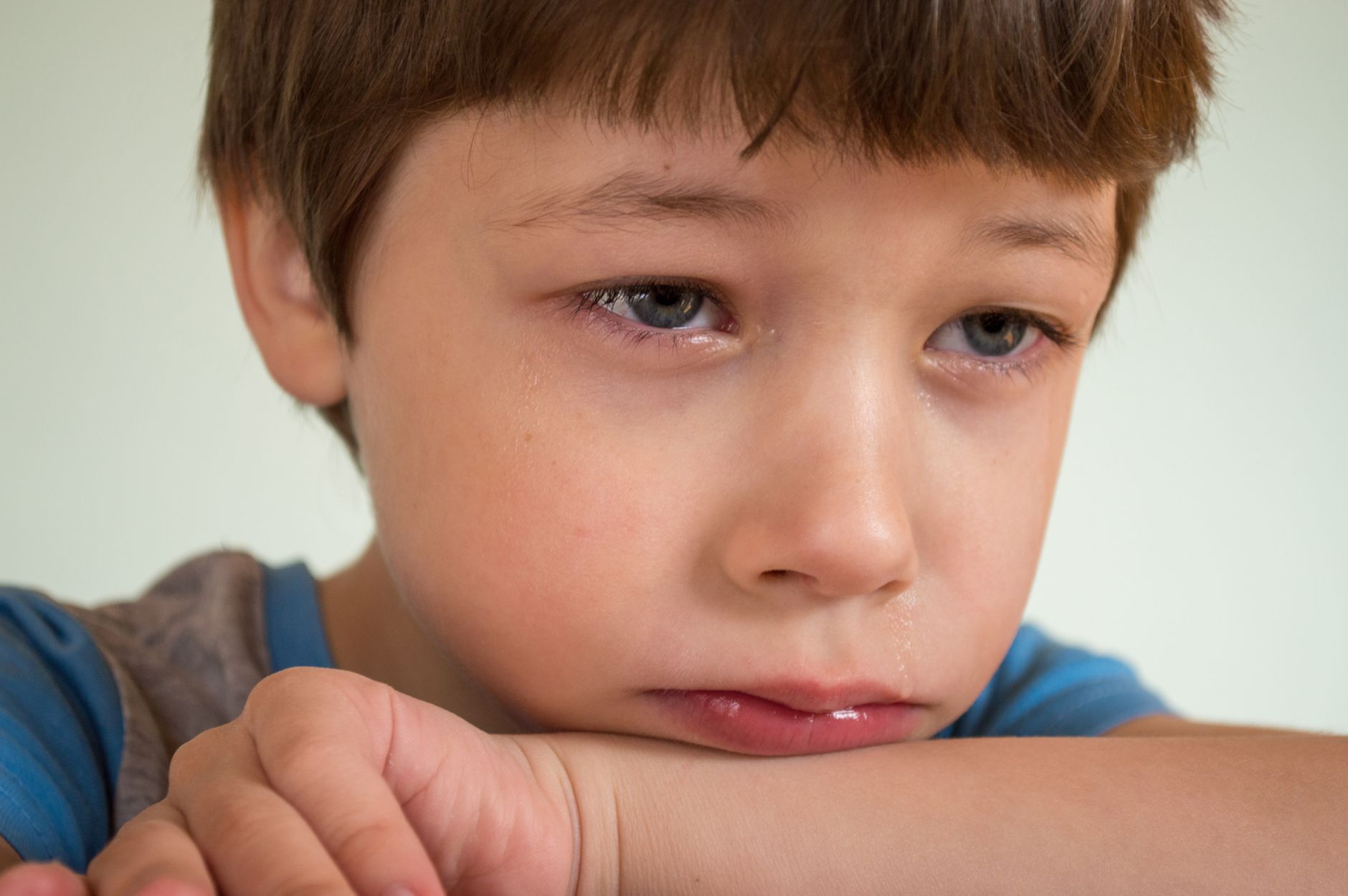
A child who cries all the time often worries those around them, especially when no obvious cause seems to explain the repeated tears. In toddlers as in older children, crying remains above all a means of expression, well before language takes over to say what is wrong. Understanding what lies behind frequent crying helps adjust everyday support, without either dramatising or dismissing what the child is going through. This article details the most common causes by age, the signs that deserve particular attention, and gentle approaches to help a child move through these moments with more ease.
Crying, a way for a child to express a need or an emotion
Before acquiring enough language to put feelings into words, a child uses crying as the main channel of communication. A baby cries to signal hunger, discomfort, tiredness or the need for reassurance. Young children keep crying well after learning a few words, because the ability to put complex emotions into sentences develops gradually, often well into the school years.
Frequent crying does not therefore systematically signal a problem. It most often reflects a gap between what the child feels and what they are able to express in other ways. Tiredness, hunger, sensory overstimulation (noise, light, commotion), a change in routine or a frustration can each trigger a crying episode, sometimes with no apparent link to a specific event from an adult’s point of view.
Causes of frequent crying by age
The reasons that lead a child to cry often change as they develop. Identifying them helps adjust the response, rather than looking for a single explanation valid at every age.
In babies, before 18 months
In infants, crying almost always responds to a physiological or sensory need: hunger, a nappy to change, a need for sleep, digestive discomfort, or wanting to be held or to feel a reassuring presence. Overstimulation, particularly towards the end of the day, frequently causes crying that is hard to soothe even when basic needs have been met.
In young children, between 18 months and 4 years
This period often corresponds to a peak in frequent crying, linked to the gap between already intense emotions (frustration, anger, fear, jealousy) and a still limited vocabulary to name them. Transitions (the end of an activity, separation, a change of place) and limits set by caregivers are common triggers at this age.
In school-age children, from age 5
Crying remains frequent in some older children, often linked to tiredness accumulated over the week, social tension (relationships with other children, school pressure) or a more pronounced emotional sensitivity. At this age, crying can also become a signal worth taking seriously when it comes with a wider change in behaviour.
| Age range | Frequent causes | What can help |
|---|---|---|
| Before 18 months | Hunger, tiredness, discomfort, sensory overstimulation | Prompt response to needs, calm environment |
| 18 months to 4 years | Frustration, difficulty naming emotions, transitions | Putting emotions into words, stable routines |
| From age 5 | Weekday tiredness, social tension, emotional sensitivity | Dedicated listening time, balanced daily rhythm |
Recognising crying linked to stress or a hard-to-name emotion
Not all crying is the same. Certain signs point towards crying linked to a deeper tension rather than a one-off need: unusual irritability outside of crying episodes, more restless sleep, a temporary return of behaviours the child had outgrown (such as toilet training accidents), or conversely a child who is more withdrawn than usual.
Observed in isolation and over a short period, these signals are most often temporary and linked to an identifiable event (starting school, moving house, the arrival of a sibling). Their combination over several weeks, however, deserves particular attention and may justify talking with the child, then with a professional if the situation does not improve.
Gentle approaches to support a child who cries a lot
Faced with frequent crying, several approaches support gradual soothing without trying to silence the emotion at all costs.
- Naming the emotion rather than dismissing it: putting simple words to what the child feels (“you’re upset”, “you’re tired”) gradually helps them connect the sensation with vocabulary.
- Keeping routines stable, particularly around sleep and meals, to limit the sources of tiredness and unpredictability that favour crying.
- Giving real listening time, even briefly, before offering a solution: a child who feels heard often settles faster than one whose crying the adult first tries to stop.
- Setting clear, consistent limits, without systematically giving in to crying, which helps the child build stable reference points over time.
- Reducing stimulation towards the end of the day (screens, noise, intense activities) to limit the sensory overload that favours crying episodes.
These approaches call for consistency more than perfection: a gradual adjustment, suited to the child’s age and temperament, generally works better than a single method applied strictly.
Sleep, daily rhythm and a child’s emotional balance
Sleep plays a central role in how often a child cries. A child who lacks sleep finds it harder to regulate emotions and becomes more sensitive to everyday frustrations. A stable daily rhythm, with regular bedtimes, remains one of the simplest levers to reduce crying linked to tiredness. During a cold, a congested nose is enough to break up the night: choosing a natural nasal spray for a child’s blocked nose then depends mostly on age.
Some families pair bedtime with soothing rituals: dim lighting, screen-free quiet time, shared reading. Bach flower remedies are traditionally used by some parents as part of these evening emotional support rituals, alongside a calm environment, with no therapeutic effect that can be guaranteed. Essential oils, for their part, call for particular precautions with young children and are best chosen with the advice of a health professional, as some are not recommended below a minimum age.
When to be concerned and consider professional support
Most phases of frequent crying ease over time, alongside language development and simple everyday adjustments. Certain signals, however, justify contacting a paediatrician, a family doctor or a child psychologist:
- near-daily crying that has persisted for several weeks without improvement;
- marked social withdrawal or loss of interest in usually enjoyed activities;
- sleep or eating disturbances that settle in over time;
- a sudden, clear change in behaviour, both at home and at school;
- usual soothing approaches that no longer have any effect.
Professional advice helps rule out a physical cause for the crying and, if needed, points towards support suited to the child and their family.